There is a moment in the new animated feature Forgotten Island when Jo, voiced with a warm, searching vulnerability by H.E.R., turns to her best friend and asks, "If I don't remember us, did we ever really happen?" It's a question that lands with the weight of a existential crisis, yet it arrives wrapped in the vibrant, sun-drenched colors of a fantastical adventure. That is the central, disarming magic of director Januel Mercado's latest film: it tackles the profound terror of losing a friendship not to a fight or distance, but to the very magic that promised an escape.
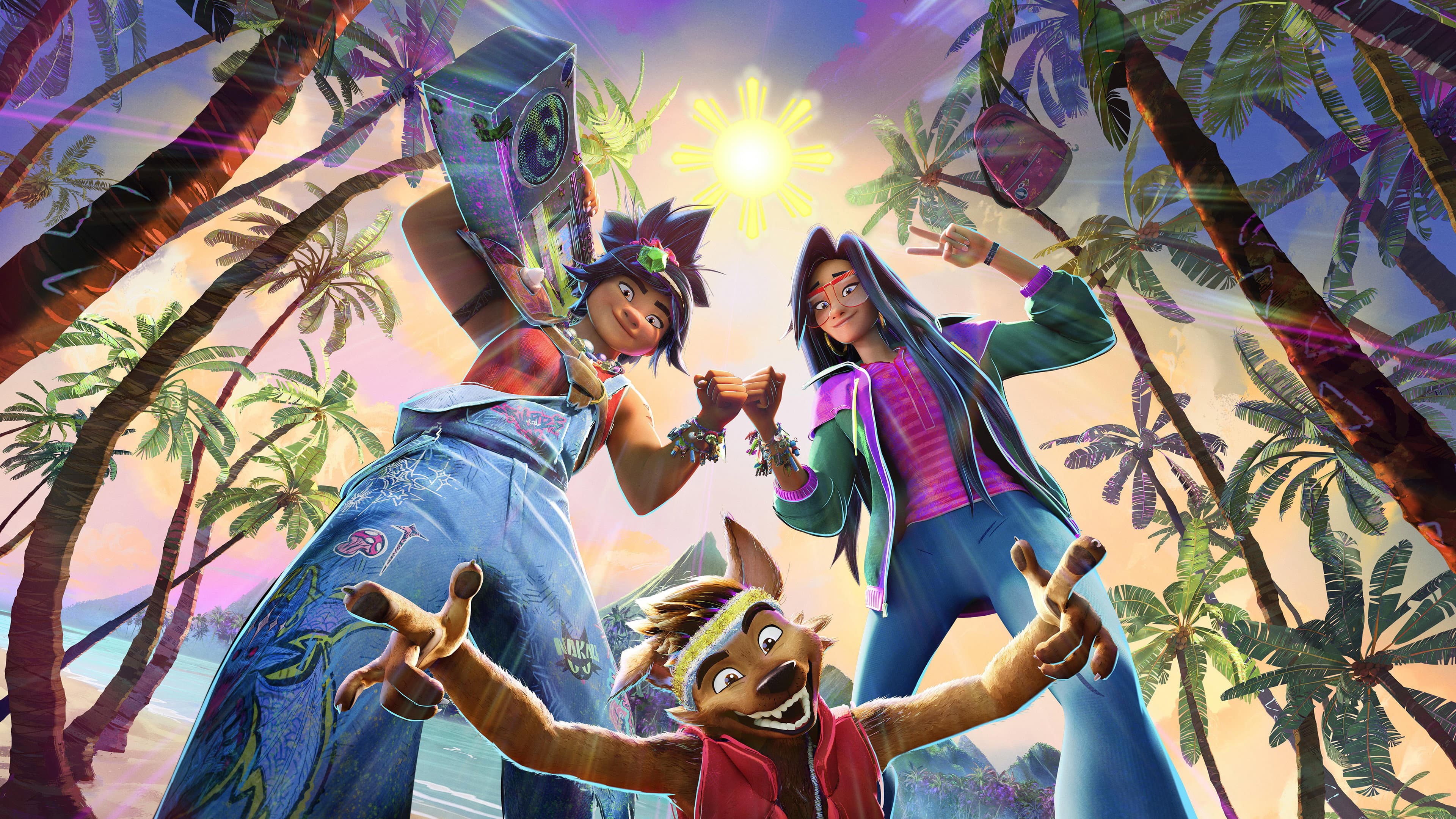
Opening tomorrow, Forgotten Island introduces us to Jo and Raissa (an effervescent Liza Soberano), two high school graduates on the cusp of adulthood. Their "last night together" is a familiar, bittersweet ritual of nostalgia, junk food, and promises to stay in touch. But their quiet celebration is shattered when they stumble upon a mysterious portal, one that deposits them on the shores of Nakali, a breathtakingly surreal island where the flora hums with bioluminescence and the local fauna possess a distinct and often hilarious personality.
It's a classic portal fantasy setup, executed with visual flair and a comedic edge that keeps the first act breezy. Jo and Raissa's initial awe quickly gives way to a grim reality. Nakali is not a vacation destination; it's a trap. The island's keeper, a wizened and mysterious figure named Manang (a commanding Lea Salonga), delivers the gut-punch: the only way home is to surrender their memories of each other. To leave Nakali is to forget the friendship that defined them.
This is where Forgotten Island transcends its genre trappings. The script, sharp and emotionally intelligent, doesn't just use this premise as a ticking clock for adventure. It makes it the philosophical core of the film. The central conflict isn't a monster to be slain or a puzzle to be solved; it’s a desperate race against the erasure of self. If our memories of shared experiences make us who we are, losing them is a kind of death.
Mercado, working with a vibrant animation style that mixes Polynesian-inspired textures with a modern, expressive character design, guides his voice cast with a clear understanding of the story’s emotional stakes. H.E.R. and Soberano are a revelation, their vocal chemistry carrying the film's heartfelt core while their characters bicker, strategize, and ultimately fight for the memories that are slipping away. The supporting cast is a delight. Dave Franco brings a nervous energy to Raww, a creature who becomes an unlikely guide, while Manny Jacinto's Bungi is a scene-stealer, all swagger and surprising pathos. Jenny Slate's Batiba provides the film's rapid-fire comedic relief, a welcome antidote to the mounting dread.
The film’s genius is in its balance. For every moment of existential terror - as Jo and Raissa begin to misremember a birthday or the punchline of their favorite joke - there is a burst of comedic chaos, often courtesy of Jo Koy's Datu, a pompous island denizen, or the riotous antics of Dolly de Leon's Lola Fatima, a grandmotherly spirit with a sharp tongue. The comedy isn't just filler; it’s a narrative tool, highlighting the joy that is at stake. The laughter they share is precisely what they stand to lose.
By the time the third act unfolds, Forgotten Island has earned its emotional keep. It’s a film that understands that a family-friendly story doesn't have to be a simple one. It asks its young audience to contemplate the fragility of memory and the true value of friendship, without ever losing the sense of wonder and delight that defines the best animated adventures. It is a testament to the power of connection in a world that constantly threatens to make us forget.
This is a film that will resonate far beyond its target demographic. It’s a vibrant, funny, and ultimately poignant reminder that the people we love are woven into the very fabric of who we are. To forget them is not just to lose a friend; it is to lose a piece of yourself. And Forgotten Island argues, with every frame, that some prices are simply too high.