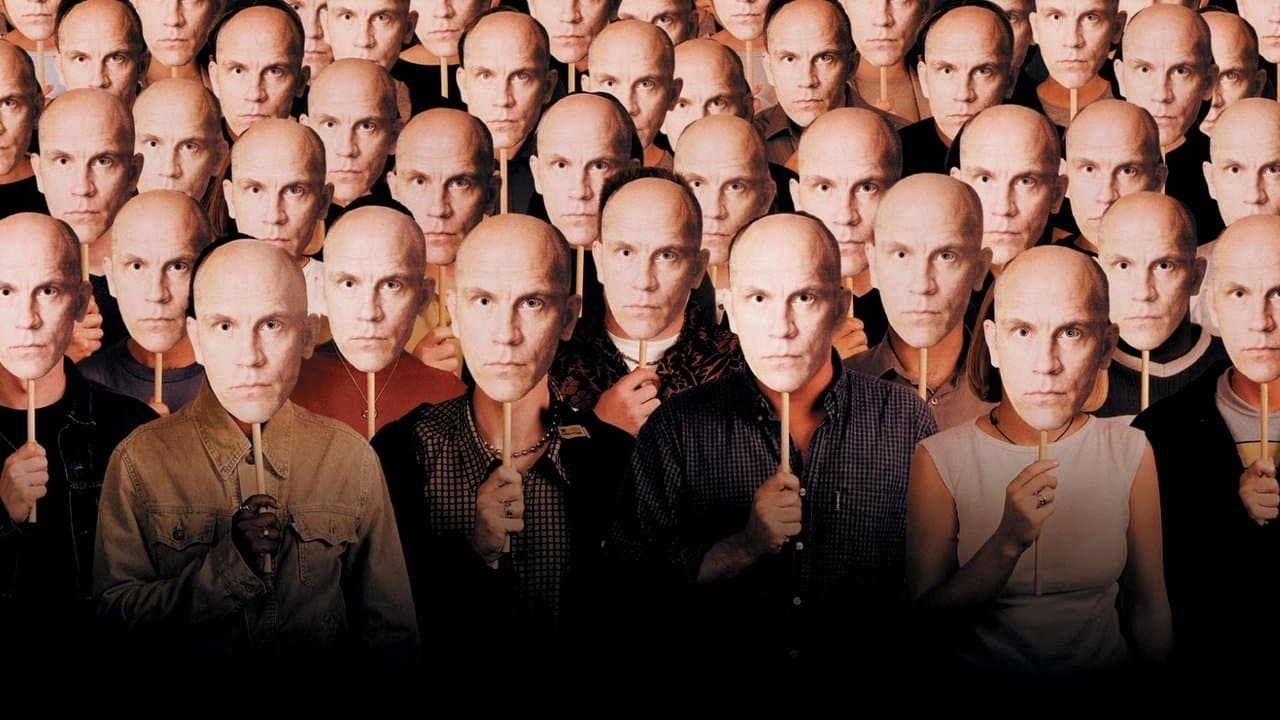
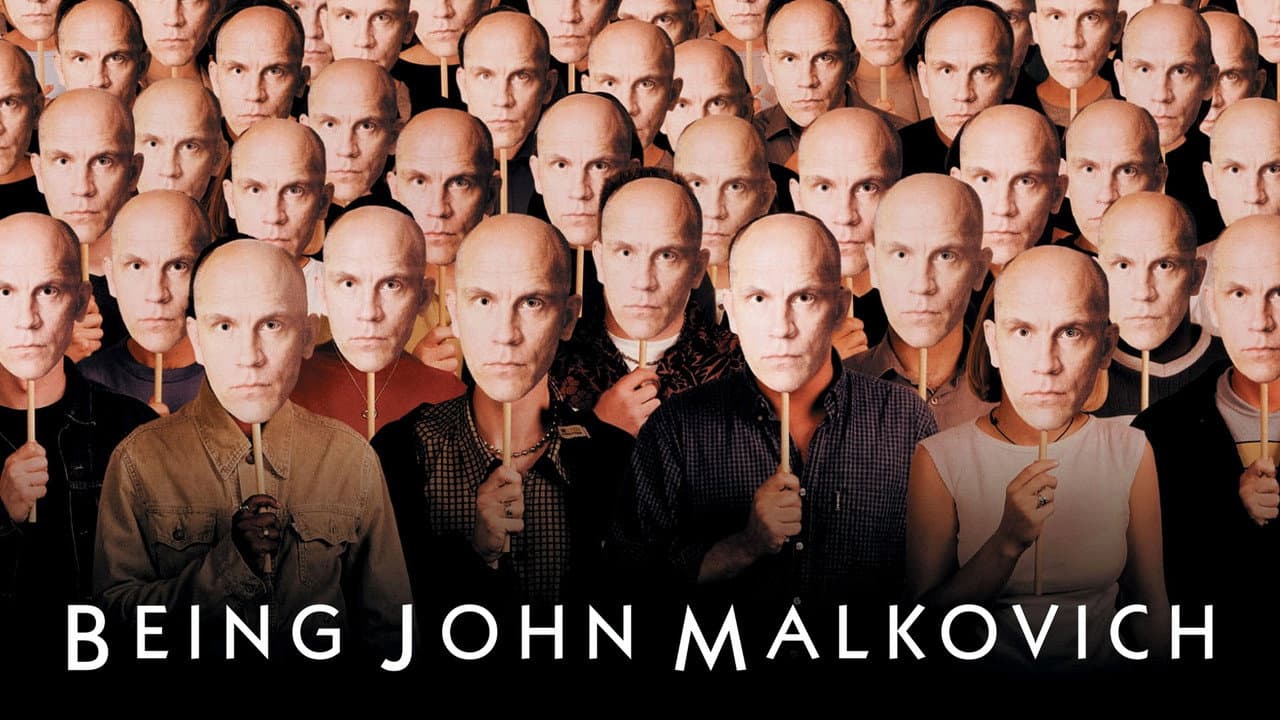
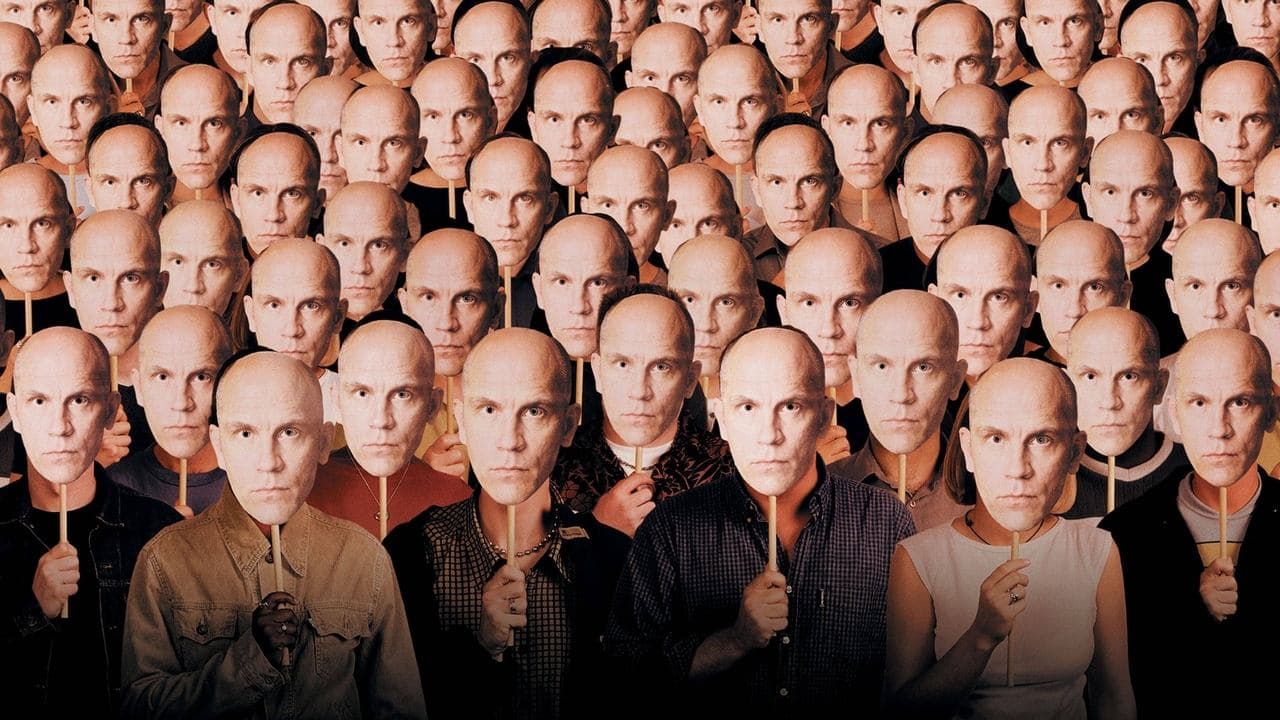
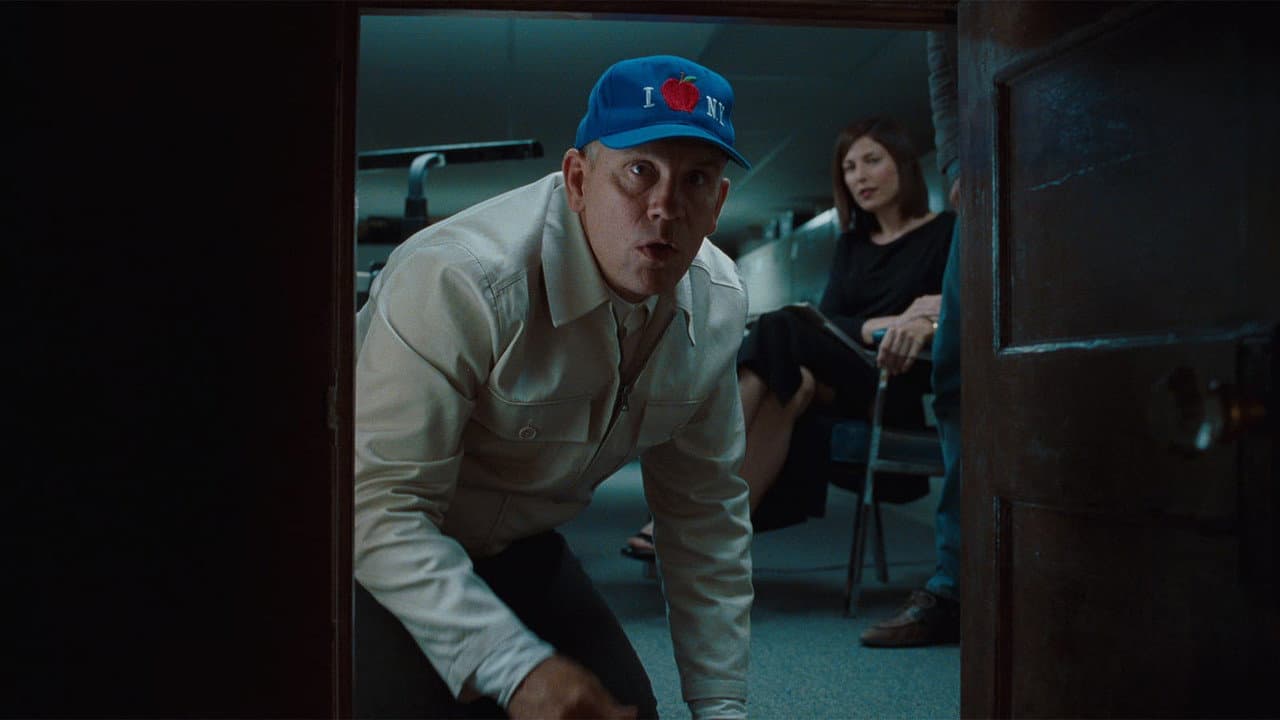
John Malkovich has revealed that Spike Jonze gave him a piece of direction that upended his whole approach to playing himself - or rather, a version of himself - in the 1999 comedy-fantasy Being John Malkovich. In a first look at an upcoming 60 Minutes segment, the actor recalled how the director, then a relative newcomer best known for music videos, pushed him toward a performance that was far stranger and more heightened than anything Malkovich had planned. The interview is set to air in full on the CBS news program, and the early clip has already renewed interest in one of the most unconventional studio films of the late 1990s.
Malkovich, who plays a fictionalized and frequently possessed version of John Horatio Malkovich in the film, described expecting straightforward guidance from Jonze and instead receiving a note that sent him in a completely different direction. According to the actor's account in the preview, the filmmaker wanted something more theatrical and less naturalistic than the star initially intended, a suggestion Malkovich said caught him off guard. The exchange, as he tells it, speaks to the odd chemistry between a seasoned dramatic actor and a director whose instincts ran toward the absurd.
Being John Malkovich, written by Charlie Kaufman, arrived in theaters on October 29, 1999, and runs 113 minutes. Its premise remains as peculiar today as it was on release: Craig Schwartz, an unsuccessful puppeteer played by John Cusack, discovers a hidden portal at his office that leads directly into the mind of the real-life actor John Malkovich. What begins as a curiosity becomes an obsession for the characters who pass through it, drawn into a world where one person can overtake another's body. The film's blend of comedy, drama and fantasy earned it a devoted following and a place among the defining American independent-minded releases of its era.
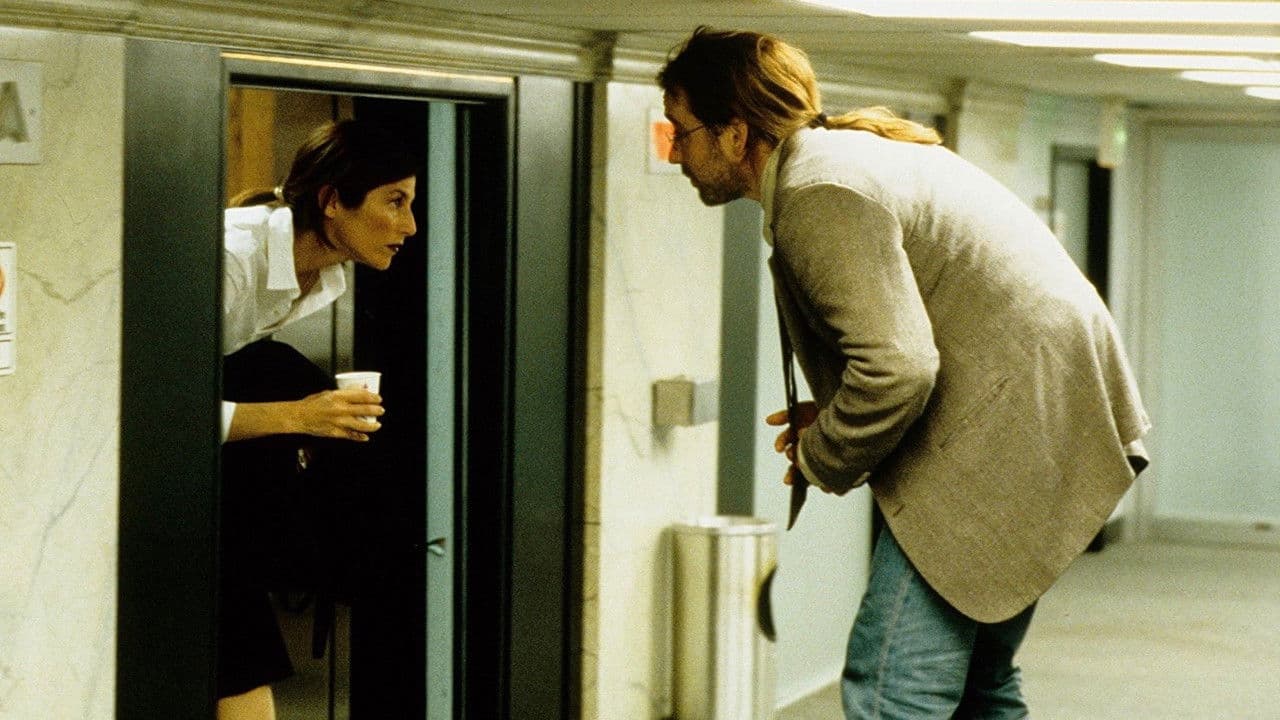
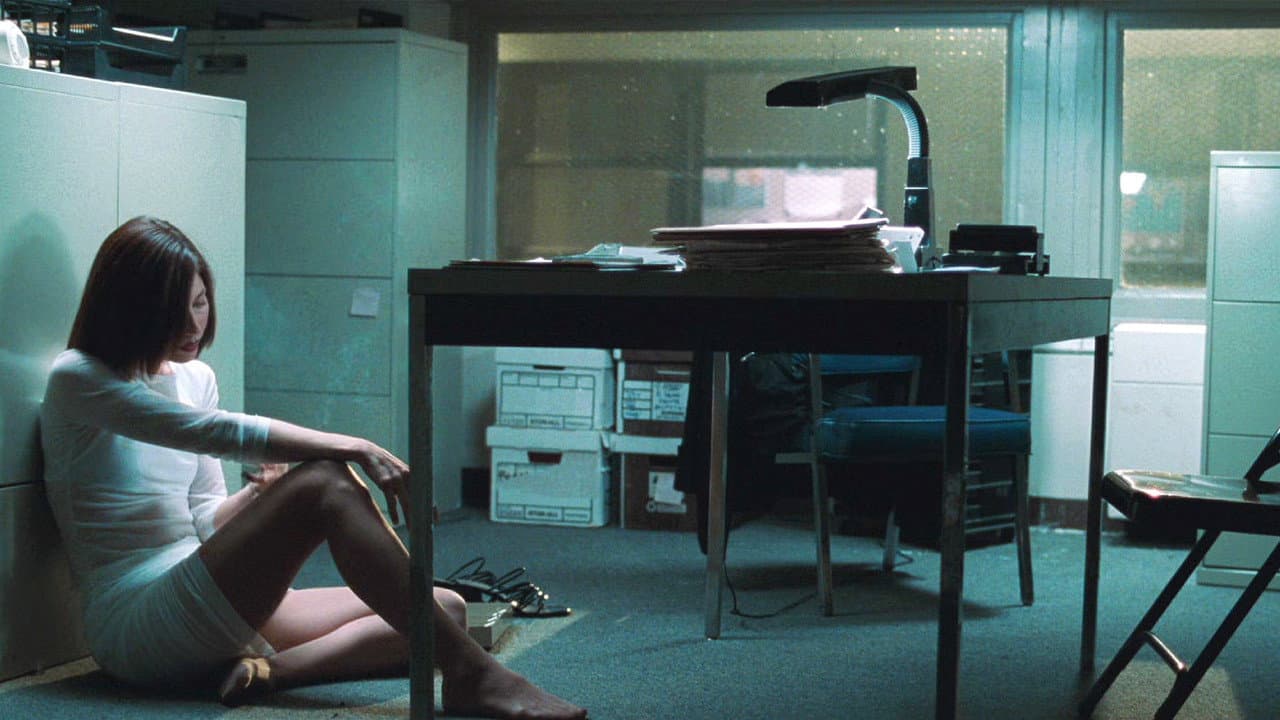
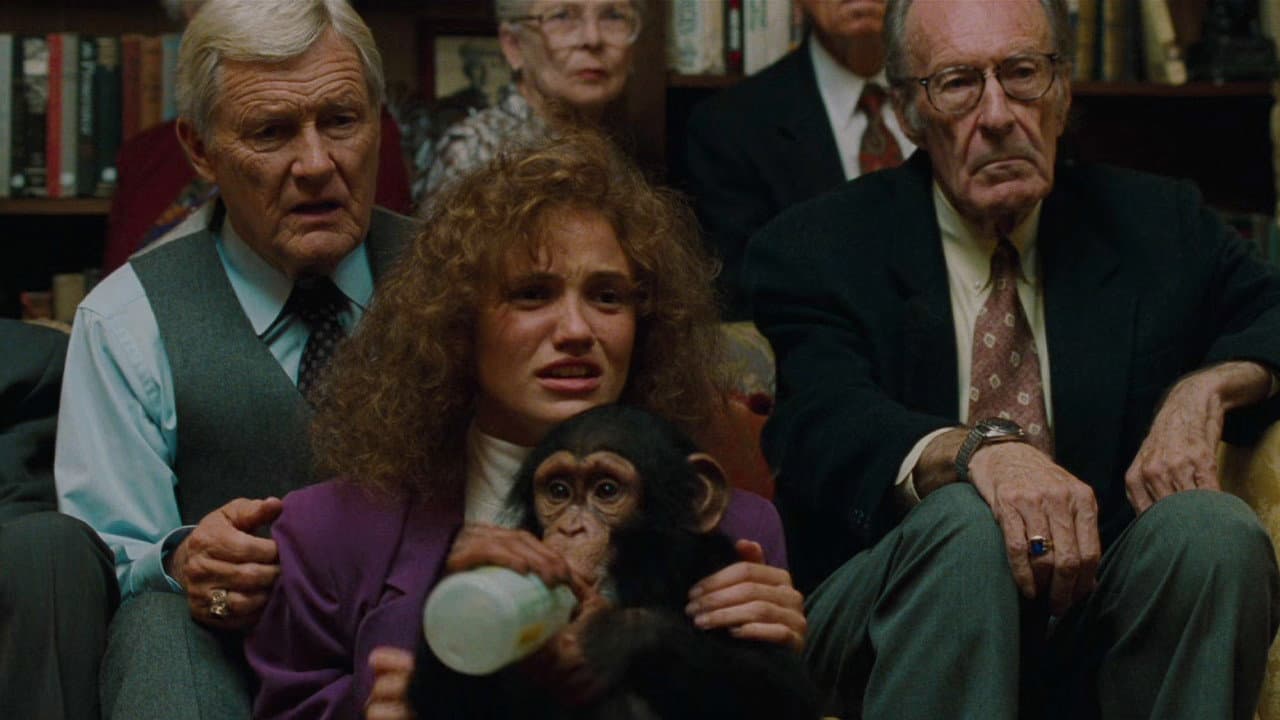
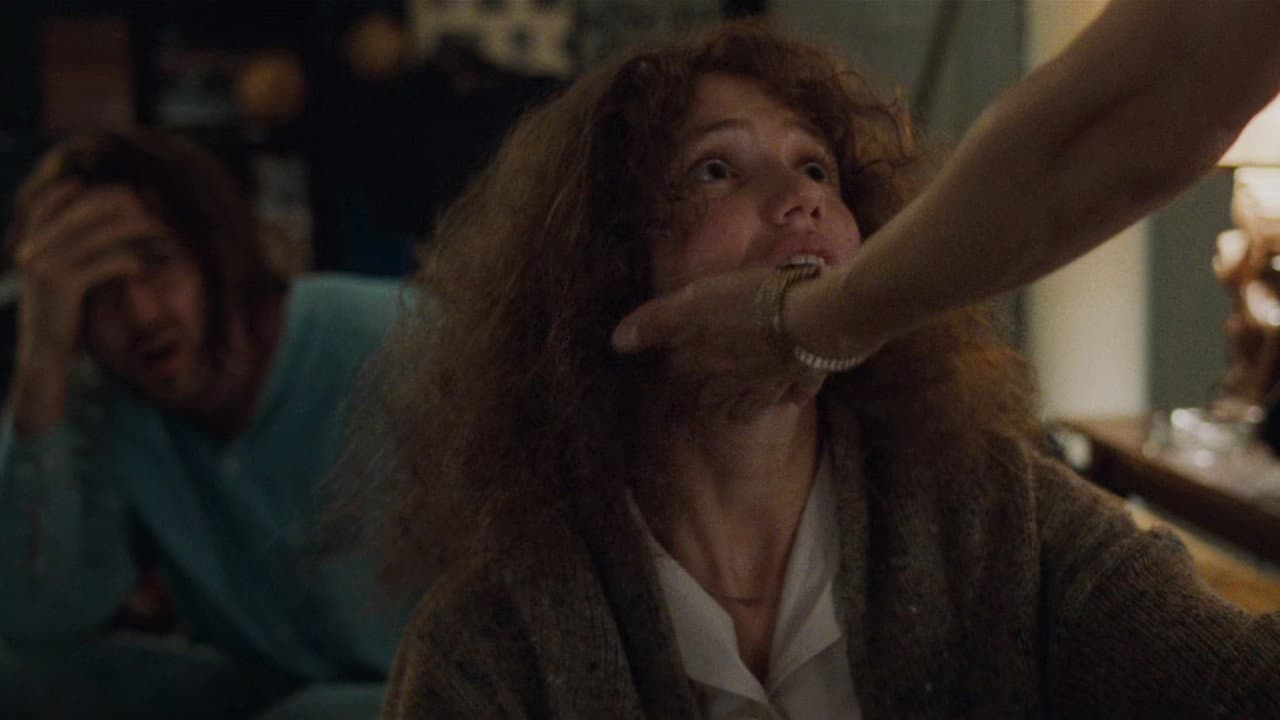
The cast around Malkovich is stocked with performers who have since become synonymous with bold choices: Cameron Diaz as Craig's wife, Lotte Schwartz; Catherine Keener as the calculating Maxine Lund; Orson Bean as Dr. Lester; Mary Kay Place as Floris; W. Earl Brown as the first J.M. Inc. customer; and Carlos Jacott as Larry the Agent. Jonze directed, making the leap from short-form work to a feature that asked its lead actor to send up his own public image. The film holds a 7.423 rating on TMDb and a 7.7 on IMDb, scores that reflect its durable reputation among viewers more than a quarter-century after release.
For Malkovich, the role has followed him throughout his career precisely because it turned his own name and persona into a running joke. His comments in the 60 Minutes preview suggest that the film's strangeness was not accidental but actively cultivated by Jonze, who apparently saw the part as an opportunity to push the actor away from the restrained register audiences expected of him. That instinct now looks prescient: the movie's refusal to play things straight is exactly what has kept it in circulation.
The timing of the interview gives the film a fresh spotlight. Being John Malkovich remains a touchstone for discussions of meta-comedy and identity-swapping stories, and a major television profile of its star offers a natural occasion to revisit how it came together. The full 60 Minutes conversation is expected to cover more of Malkovich's career, but it is the Jonze anecdote that has traveled fastest in the early coverage, largely because it confirms what the film itself suggests: nobody involved was quite sure how seriously to take any of it.
Viewers who want to see the exchange in full will have to tune in to 60 Minutes, where Malkovich expands on the note and its effect on his performance. For now, the first look serves as a reminder that one of Hollywood's most eccentric studio comedies was shaped, at least in part, by a director telling his star to be less like himself - and a star willing to go along with it.
Source: Hollywood Reporter