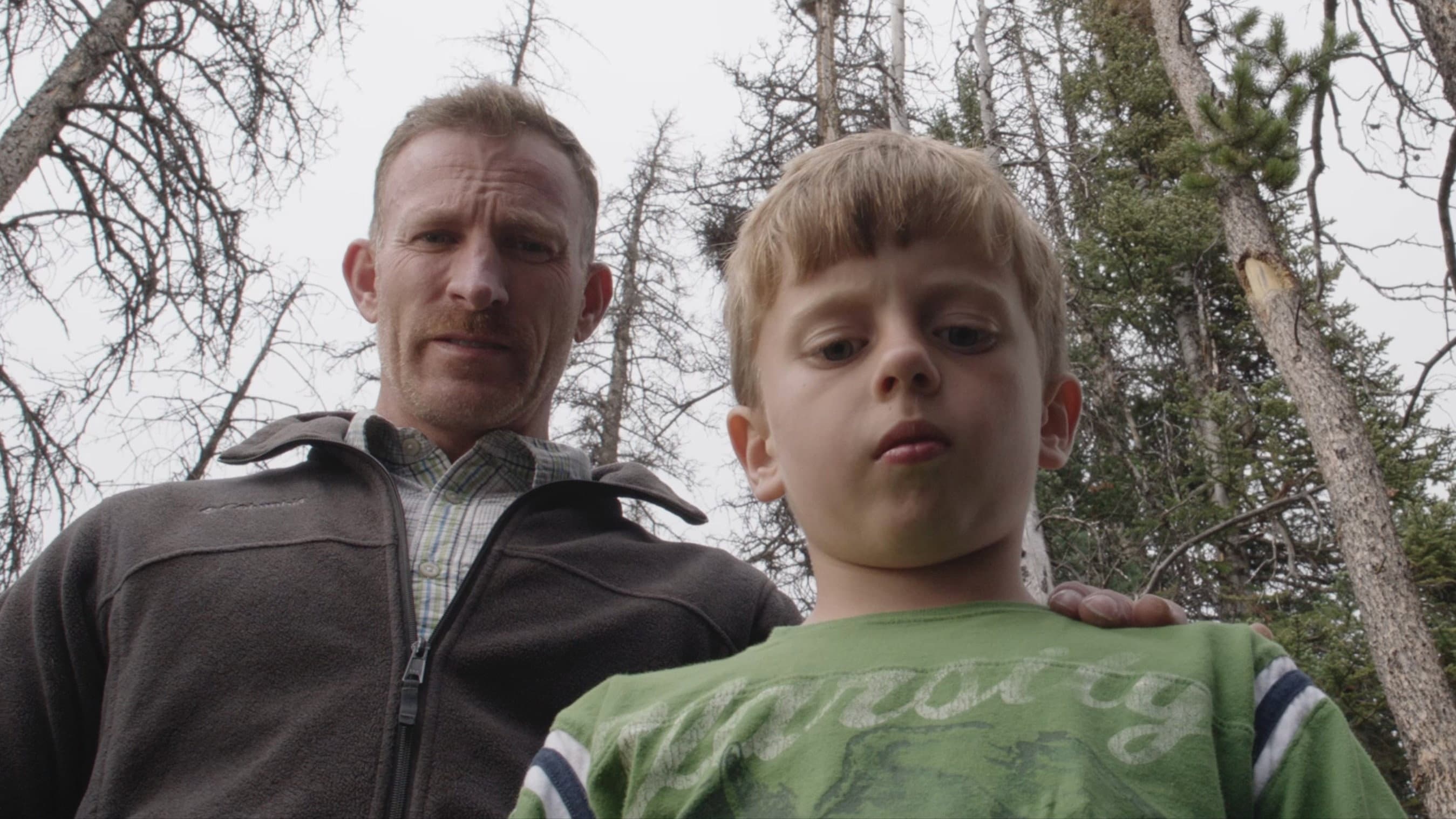
The pagers began chirping across Lebanon at roughly the same moment on a September afternoon in 2024. What followed - thousands of small explosions, operatives maimed in streets and shops and homes - was one of the most audacious and strangest covert operations in modern memory. Two years later, that operation has been distilled into a lean, tightly wound feature. "Frequency of Fear," directed by Danny A. Abeckaser, arrives in theaters on November 5, 2026, running a brisk 72 minutes and carrying an 8-out-of-10 rating on TMDb.
The film dramatizes the operation from the inside out: the planners who spent months turning ordinary communication devices into a distributed weapon, and the operatives on the ground whose pockets began detonating around them. It is, by design, a thriller of logistics as much as violence - the tension built in workshops and warehouses long before the first pager buzzed.
Abeckaser, who has built a reputation for stripped-down genre work, assembled a cast that reads like a survey of contemporary Israeli screen talent. Doron Ben-David and Itzik Cohen lead, with Marina Maximilian Blumin, Daniella Pick, Ariel Yagen, Emily Austin, Angel Bonanni and Herzl Tobey rounding out the ensemble. The production is an English-language Hollywood film, and the trailer's clipped, procedural rhythm suggests the director has aimed for something closer to a docudrama than a spy fantasia.
That restraint may be the project's smartest instinct. The pager operation is a story almost too strange for fiction, and early viewers have noted how the film resists the temptation to inflate it. The explosions, when they come, are small - a puff of smoke, a fallen man - and the horror is in the repetition, the sheer scale of a country's communication network turned against its users.
The title itself does the thematic heavy lifting. "Frequency of Fear" is less about the devices than about the ambient dread of a world where the objects in your pocket can be conscripted against you. The film reportedly spends much of its runtime in rooms where men argue over frequencies, batteries and timing - the unglamorous arithmetic of violence. It is the kind of material that lives or dies on performance, and the cast appears to have been chosen for faces that can hold a close-up while doing math.
At 72 minutes, the film is an outlier in an awards season crowded with three-hour epics. That brevity has been framed by the filmmakers as intentional: a compressed, almost real-time descent rather than a sprawling historical account. Whether audiences raised on longer, slower thrillers will embrace the pace remains to be seen, but the runtime gives exhibitors flexibility - a virtue in a market where scheduling is its own kind of chess match.
The release lands in a crowded November corridor, and the film's subject matter all but guarantees a noisy reception. The September 2024 operation drew global attention and fierce debate, and any dramatization will be read through that lens. Abeckaser and his team have kept promotional materials deliberately vague on politics, emphasizing the human mechanics - the engineer, the courier, the unwitting target - rather than the geopolitical argument. It is a strategy that may frustrate partisans on every side and, paradoxically, broaden the film's reach.
Distributors are positioning "Frequency of Fear" as a thinking person's thriller: dialogue-driven, procedural, allergic to easy catharsis. The ensemble's presence - particularly Ben-David and Cohen, both familiar to audiences from prior screen work - lends the material an air of credibility that a lesser cast might have squandered.
For Hollywood, the film also represents a quiet test of appetite. It is an English-language production about a Middle Eastern intelligence operation, made by a director known for economy, released in the thick of prestige season. If it connects, it will do so on the strength of its premise and its discipline rather than spectacle.
The pagers, of course, are gone. The fear they generated is not. "Frequency of Fear" opens November 5, and for 72 minutes, it asks audiences to sit inside that signal - and listen.