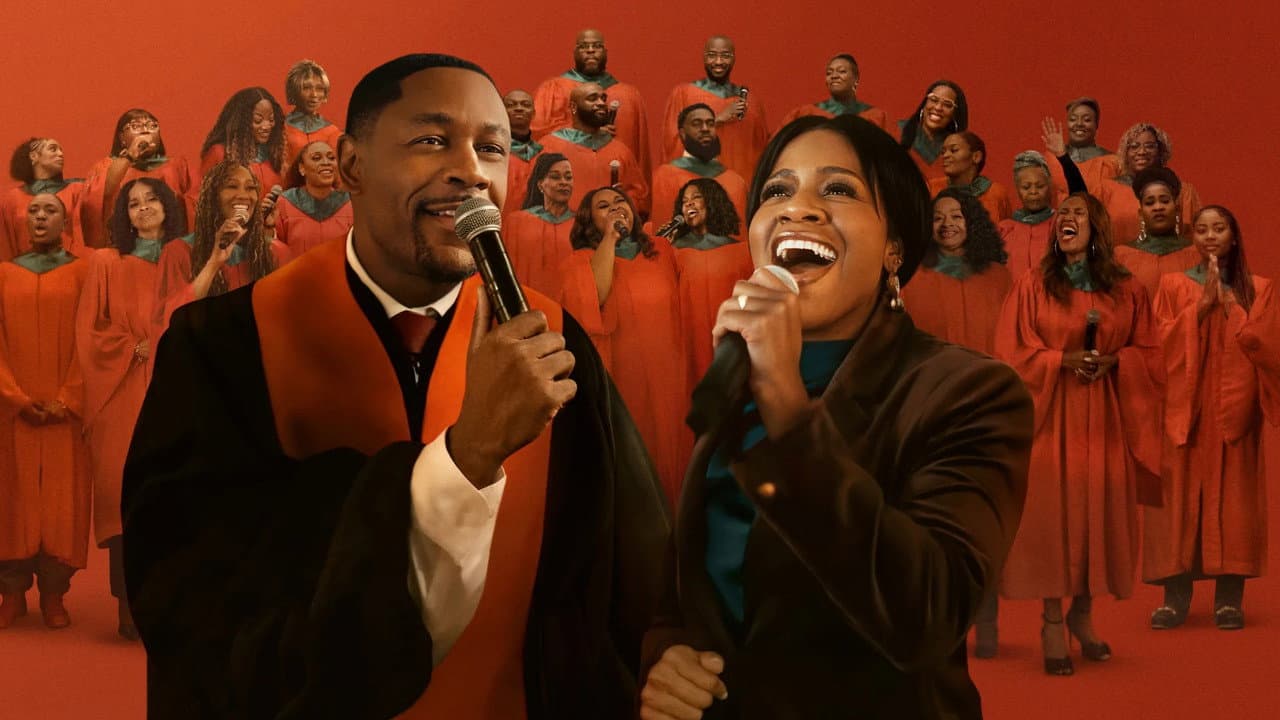
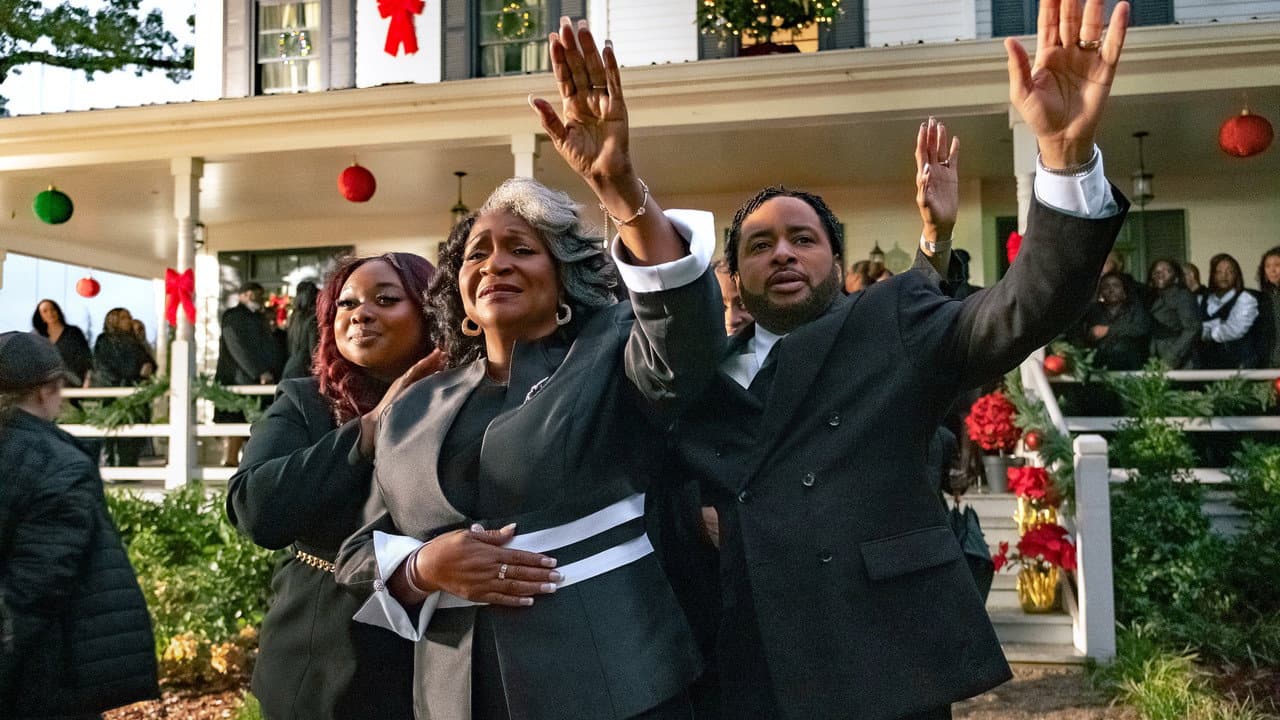
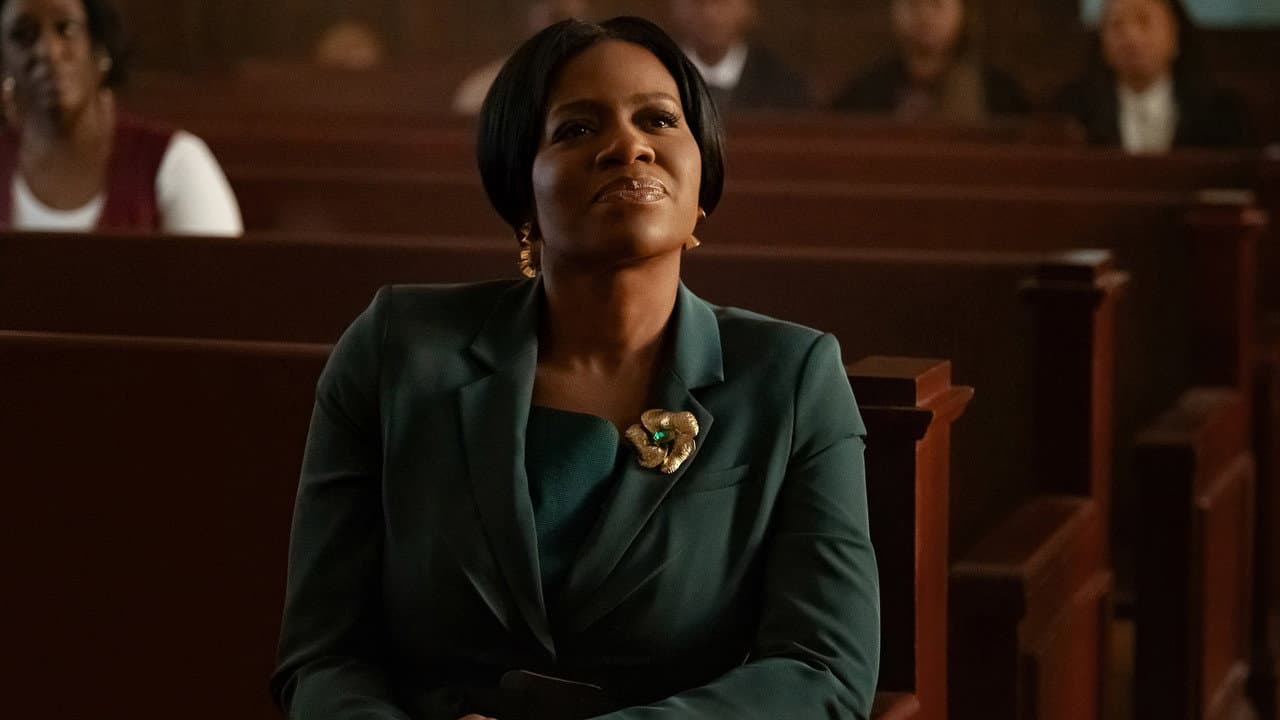
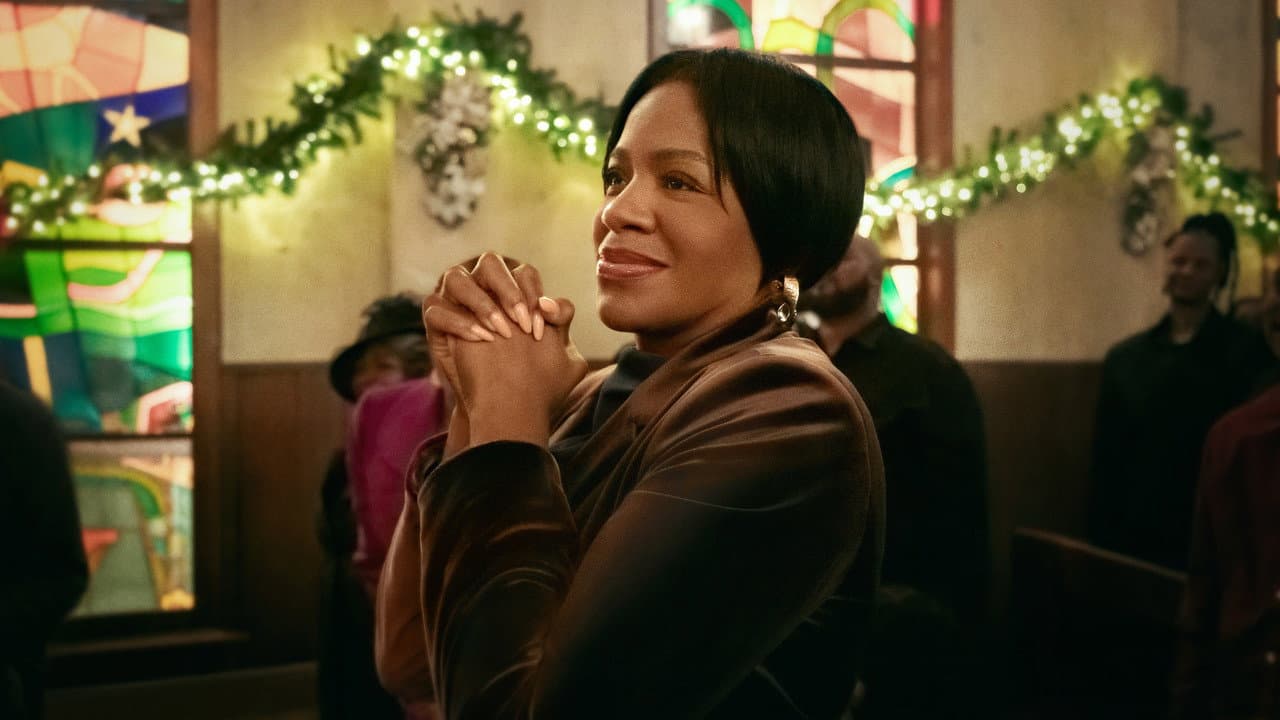
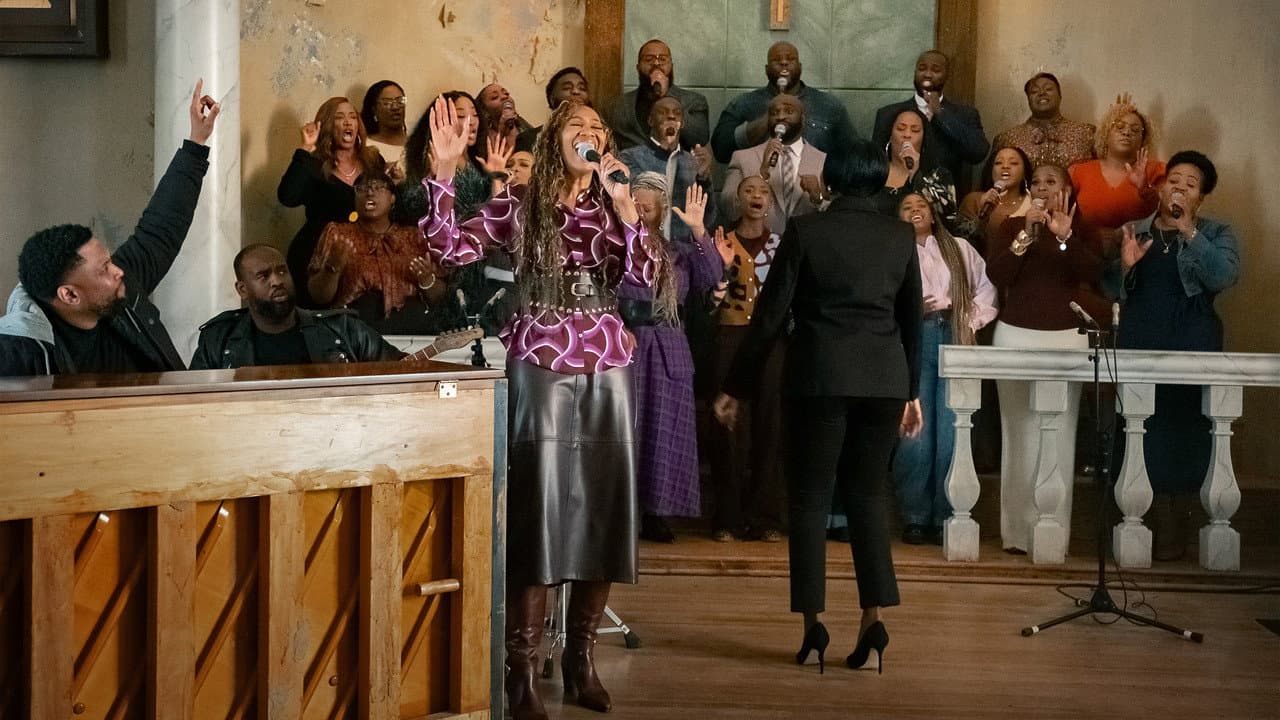
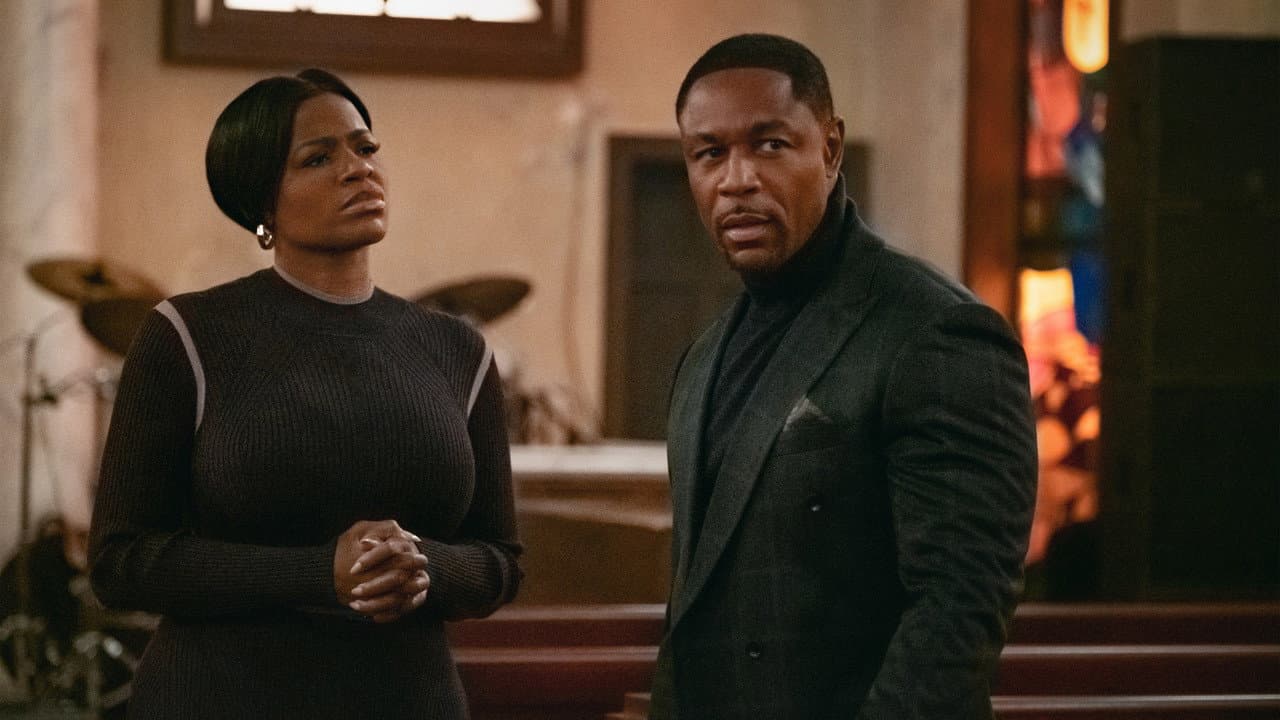
Let's start with the obvious: the music is the engine of this film. Fantasia Barrino and Yolanda Adams bring serious vocal authority to the proceedings, and Tank, making a credible dramatic turn, holds his own in the quieter moments. Perry stages the musical numbers with real conviction, and there are two or three sequences that genuinely lift the film out of its narrative doldrums. When the choir swells and the camera lingers on the faces of the congregation, you can feel the movie's pulse quicken.
The problems lie elsewhere. The dialogue is often functional where it wants to be profound, and the pacing sags noticeably in the second act. Mason Douglas is a sympathetic anchor as Jacob, but the screenplay asks him to repeat the same emotional beat so many times that the character starts to feel static. The supporting cast is game, but several roles, including Christopher Jensen's brief turn as a concert usher, exist mostly to nudge the plot forward rather than to feel like real people.
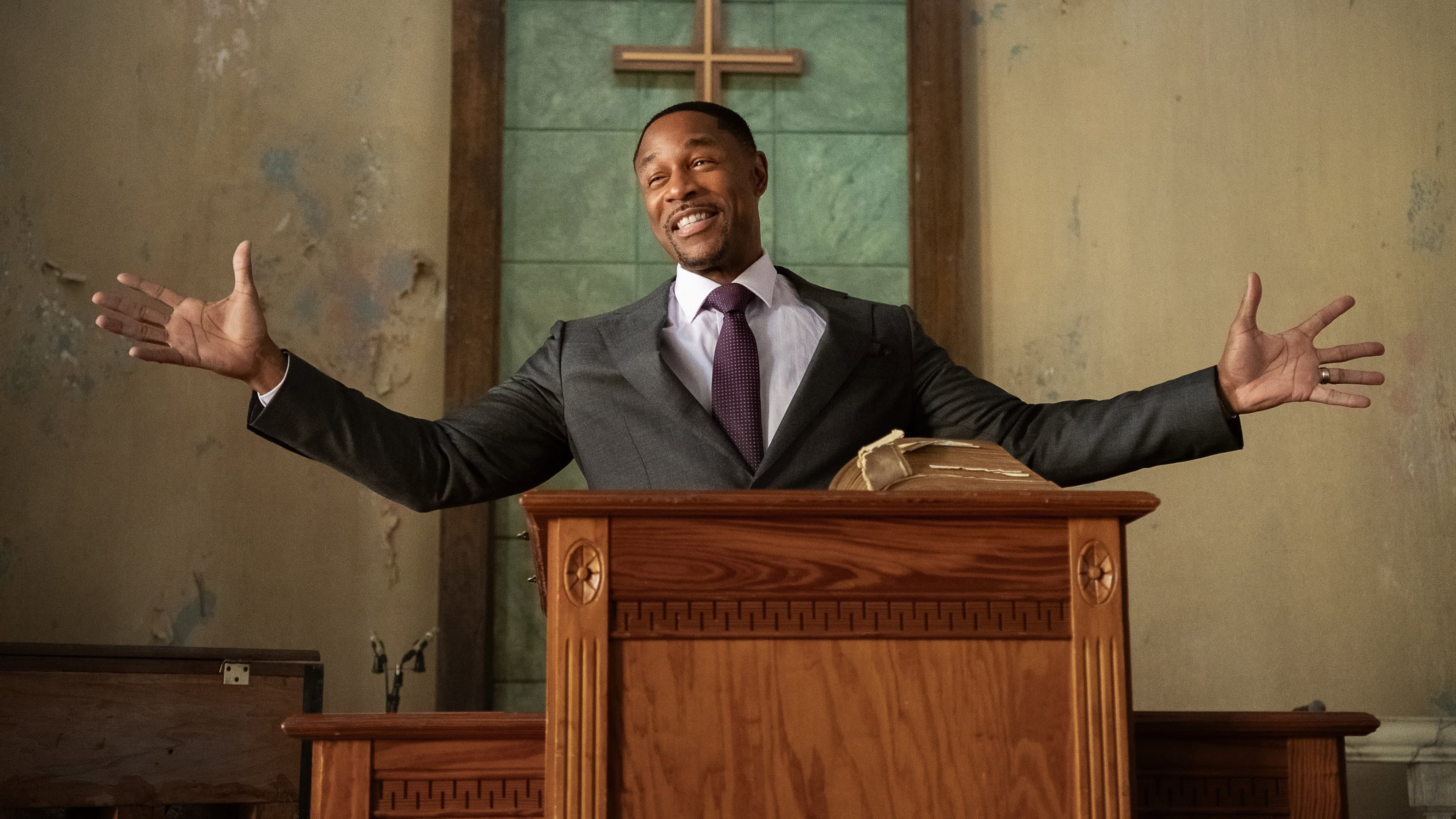
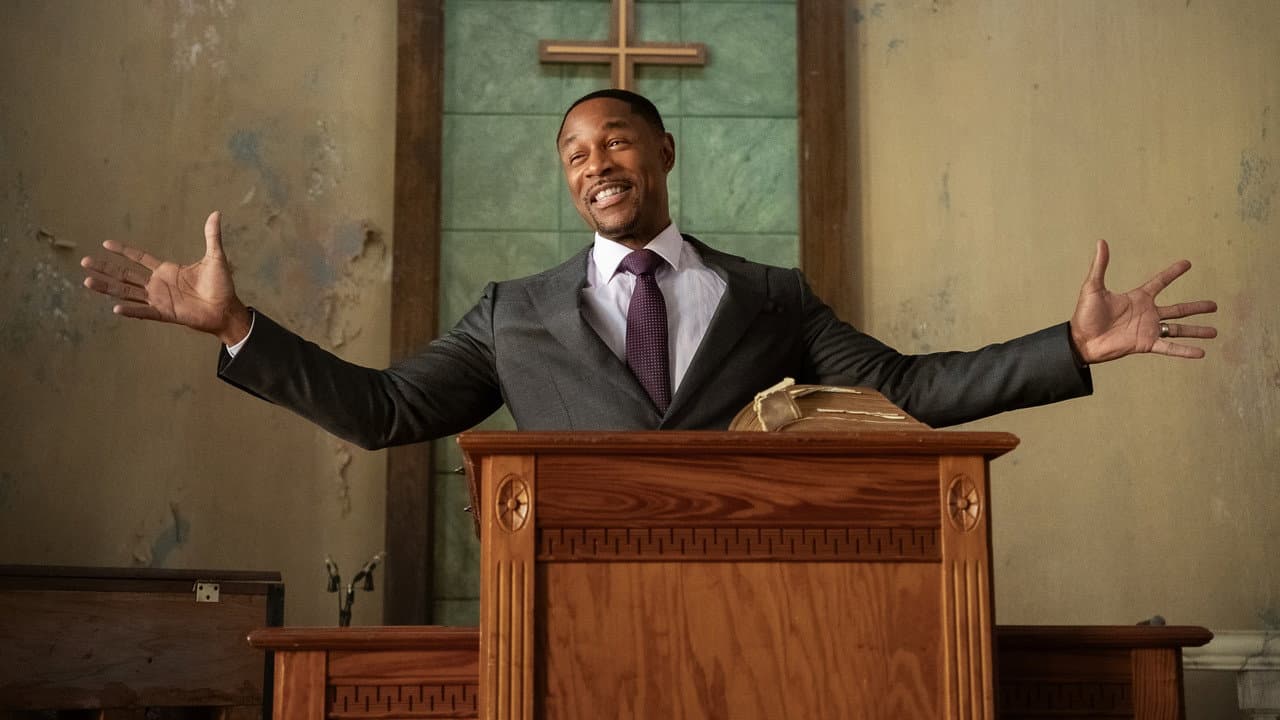
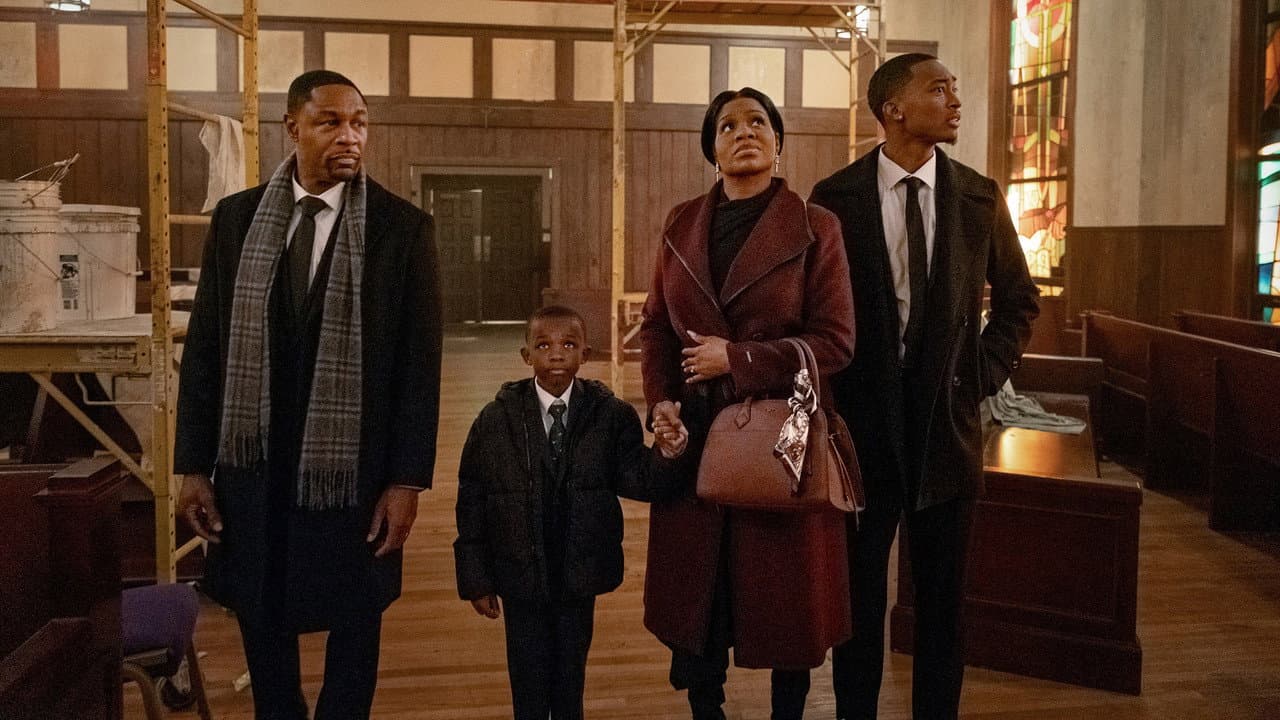
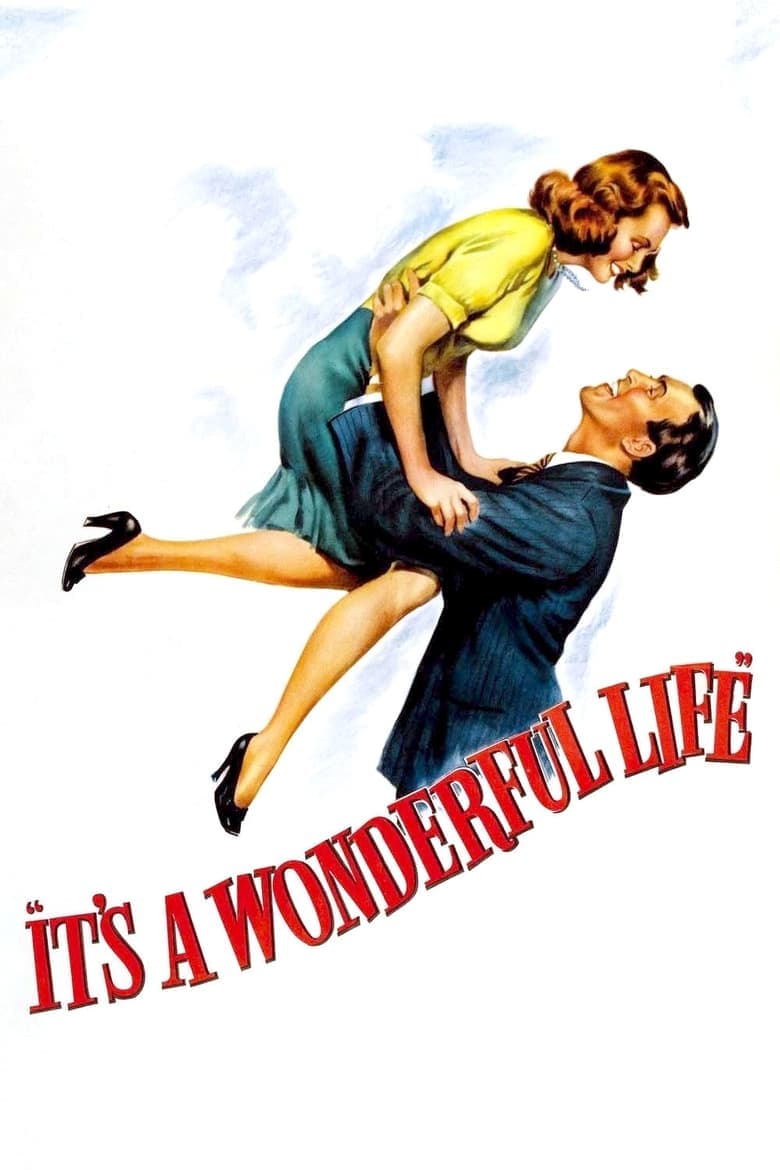
Perry directs with his usual efficiency, but the film's visual language is flat and televisual, and the New York setting never feels as textured as it should. The church building itself, with its peeling paint and empty pews, is the most evocative set piece the production has. The screenplay's attempts to grapple with gentrification and neglect are well-meaning but skin-deep, resolving economic hardship with a single montage and a well-timed fundraiser. The film's TMDb rating of 5/10 reflects a certain critical ambivalence, and it's easy to see why: this is a movie that wants to be a Christmas classic but settles for being a pleasant, forgettable evening out.
Where the film does succeed is in its refusal to be cynical. In a season crowded with ironic holiday comedies, there's something refreshing about a movie that believes, unironically, in community, generosity, and the power of a good song. It's the kind of film that will play well on cable every December for years, and it deserves that fate.