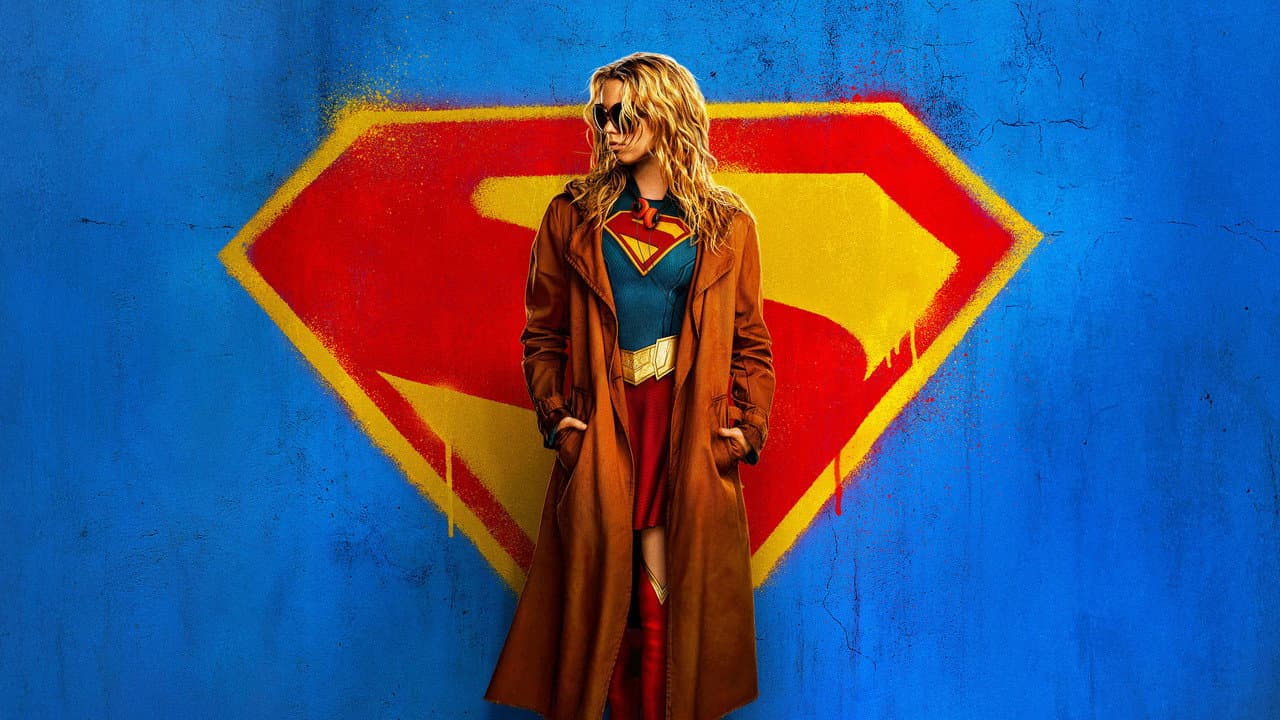
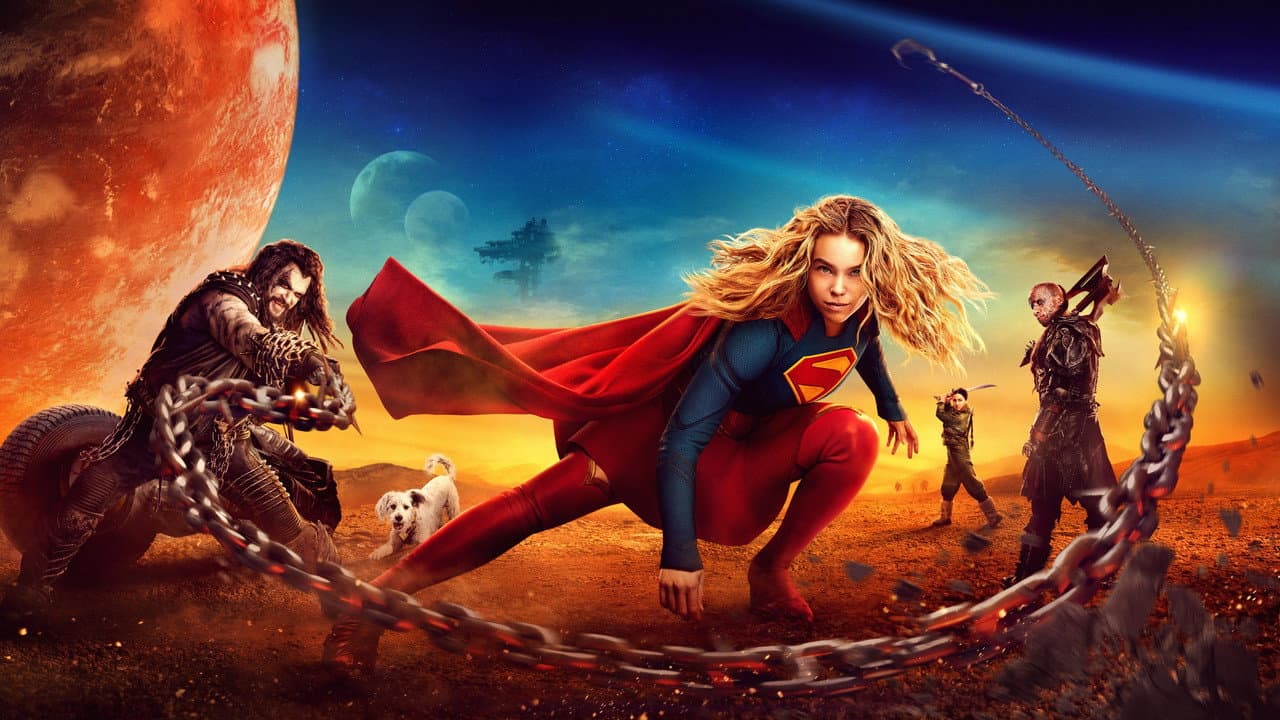
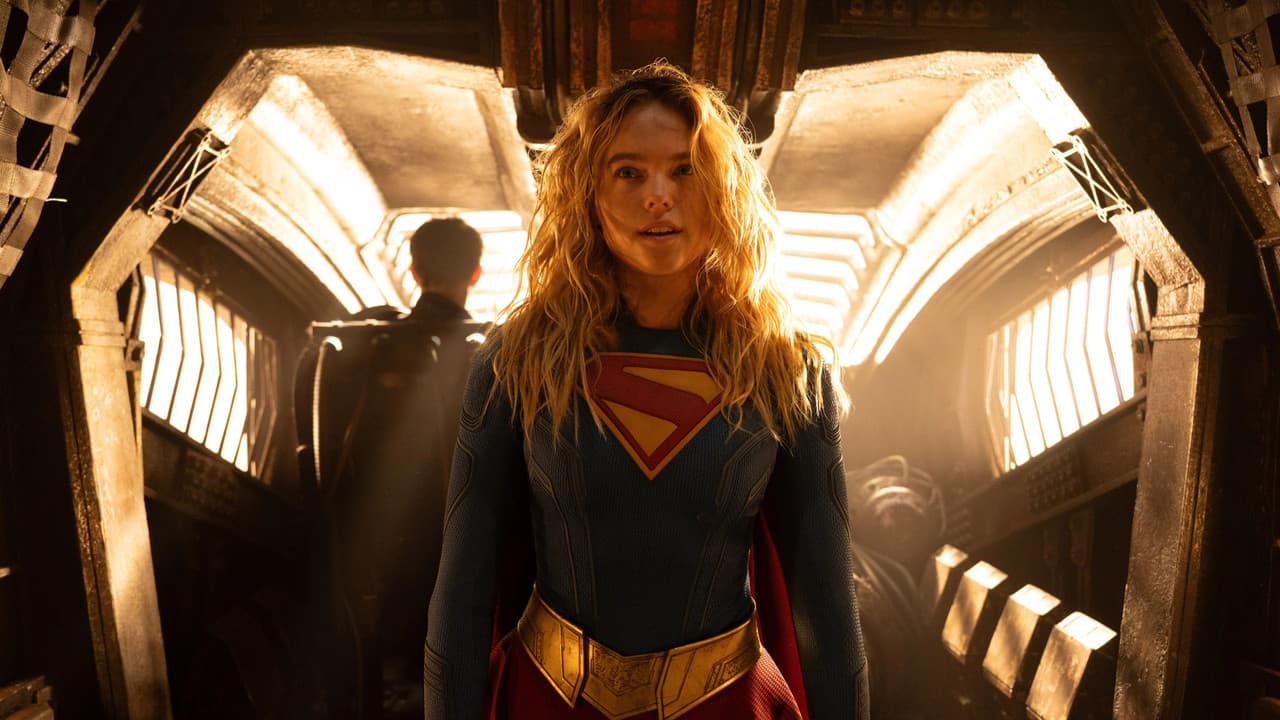
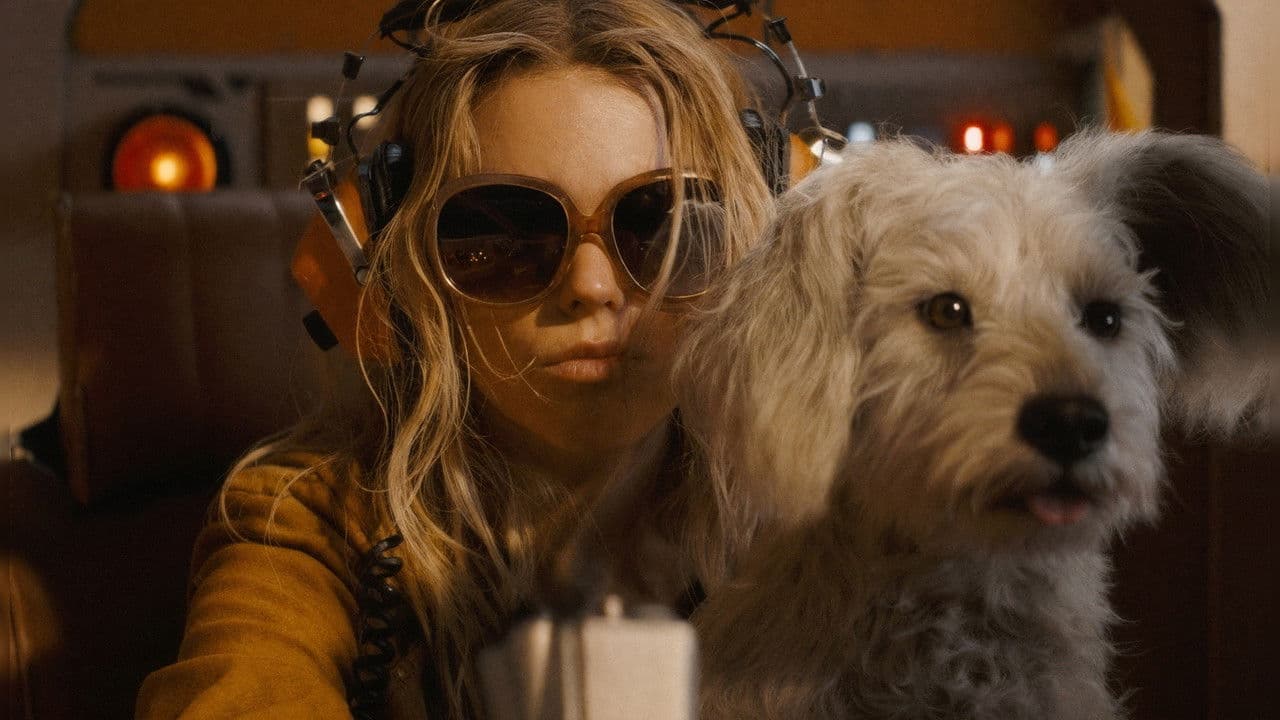
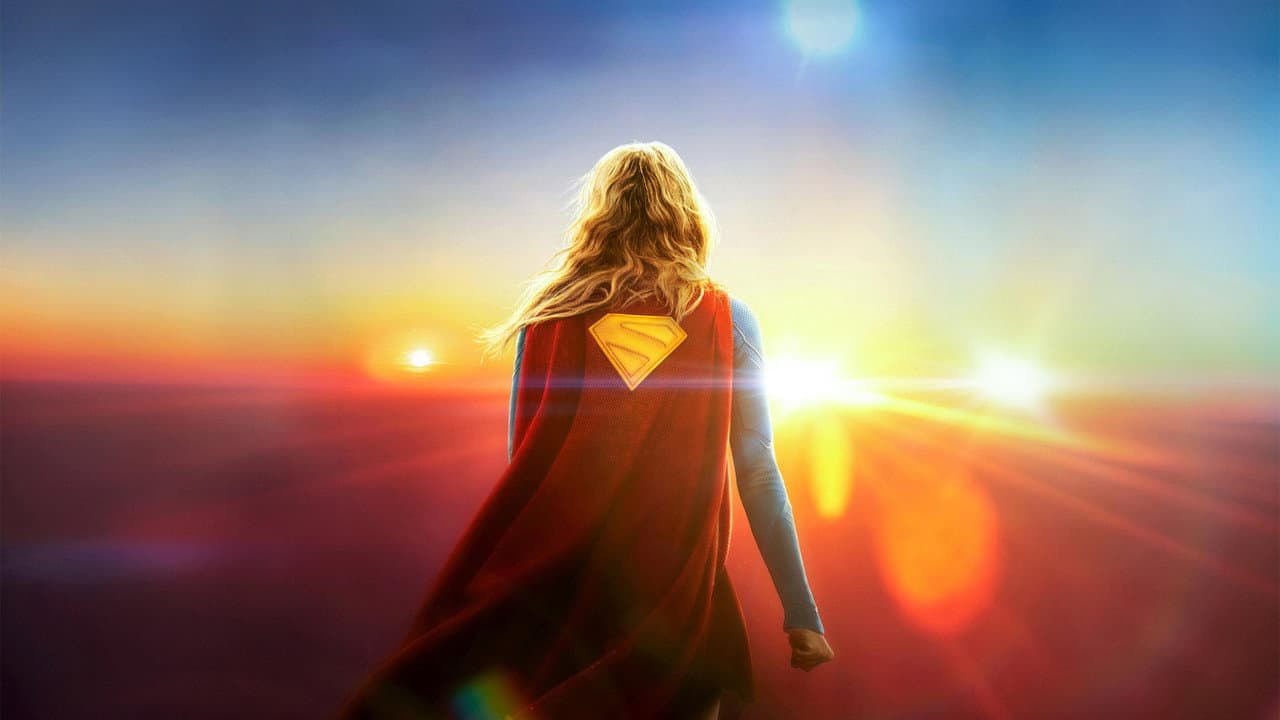
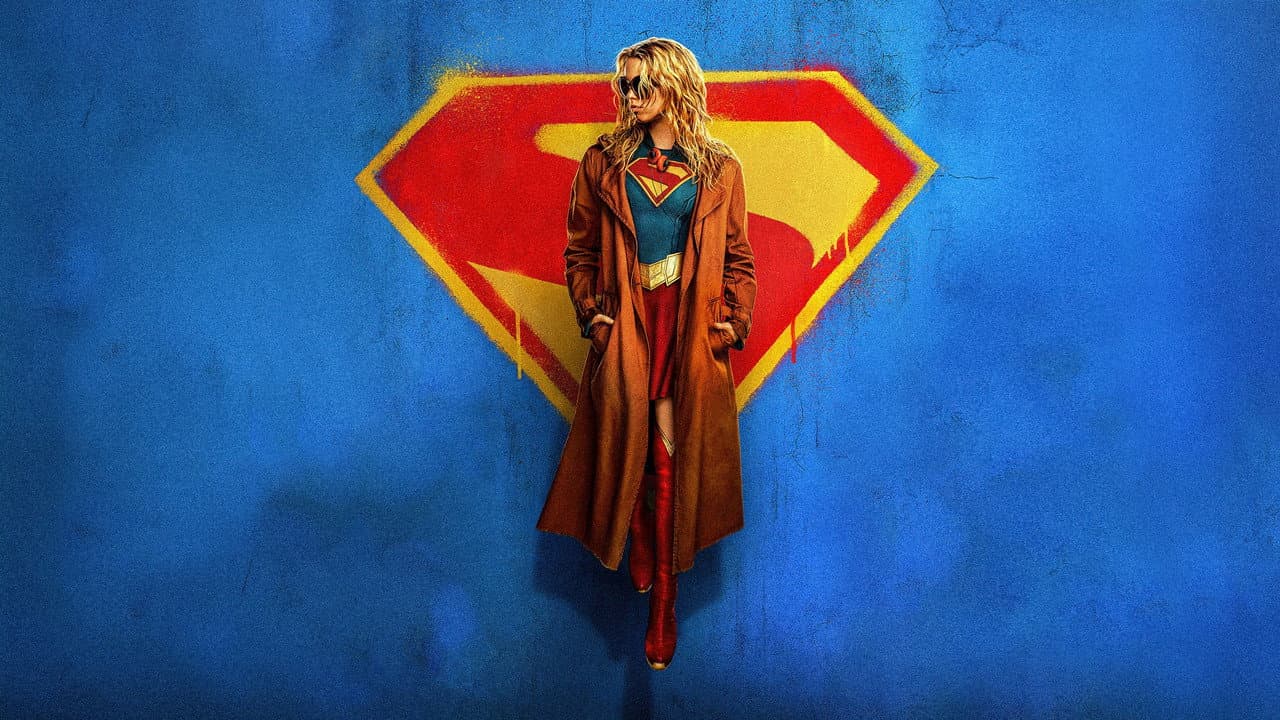
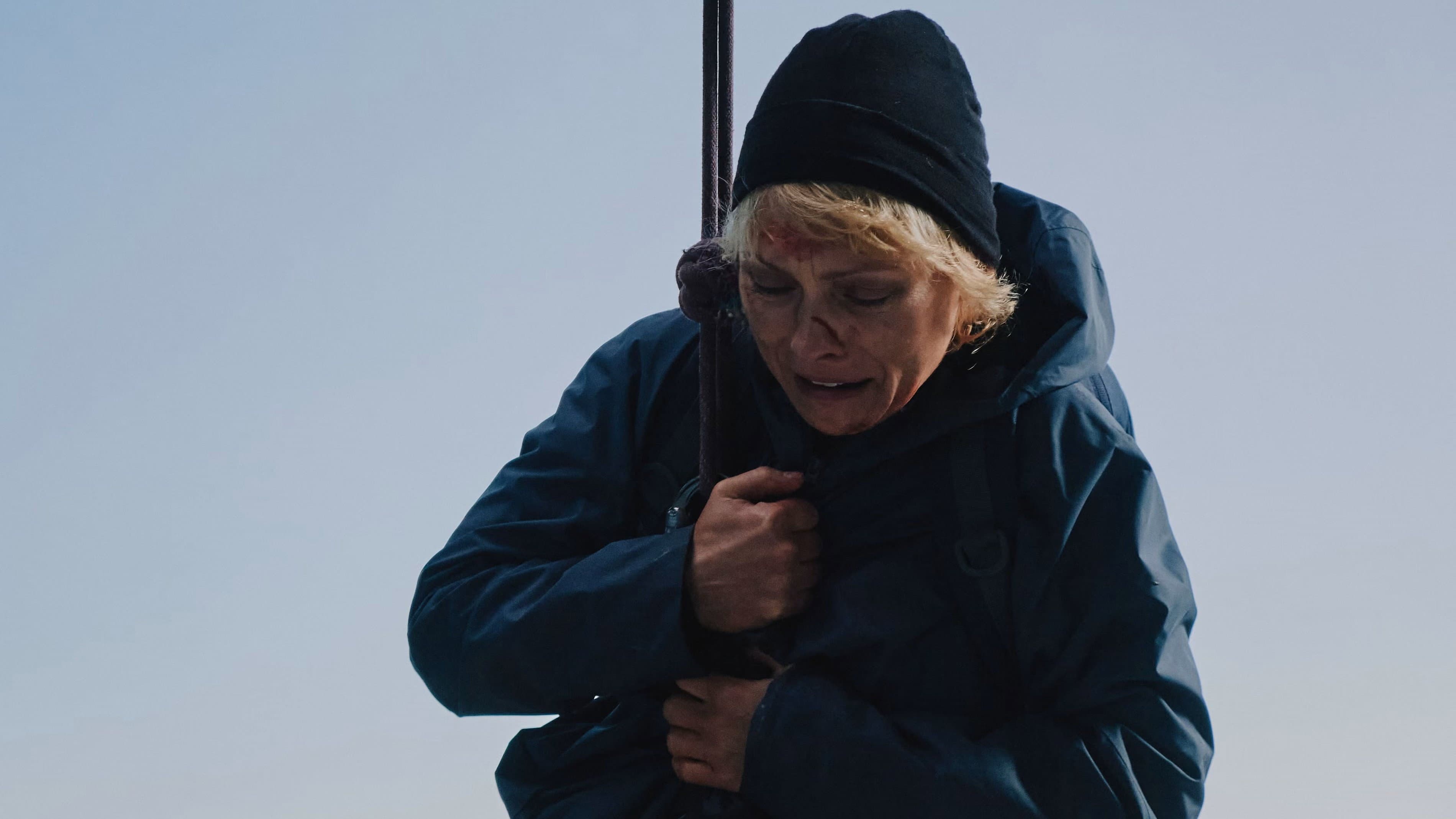
Let’s get the big question out of the way: Does Milly Alcock work as Supergirl? Absolutely. She brings a coiled, wounded tension to the role that feels entirely earned. This isn’t the bright-eyed optimist of the 1984 film; Alcock’s Kara is a young woman who has already lost everything once, and she’s not about to let decorum dictate her response to suffering. Her chemistry with Eve Ridley’s Ruthye is the film’s emotional bedrock - Ruthye is part sidekick, part moral compass, and Ridley gives her a quiet steel that doesn’t let Alcock steal every scene. Together, they form the most compelling duo in a DC film since Harley and Ivy went rogue.
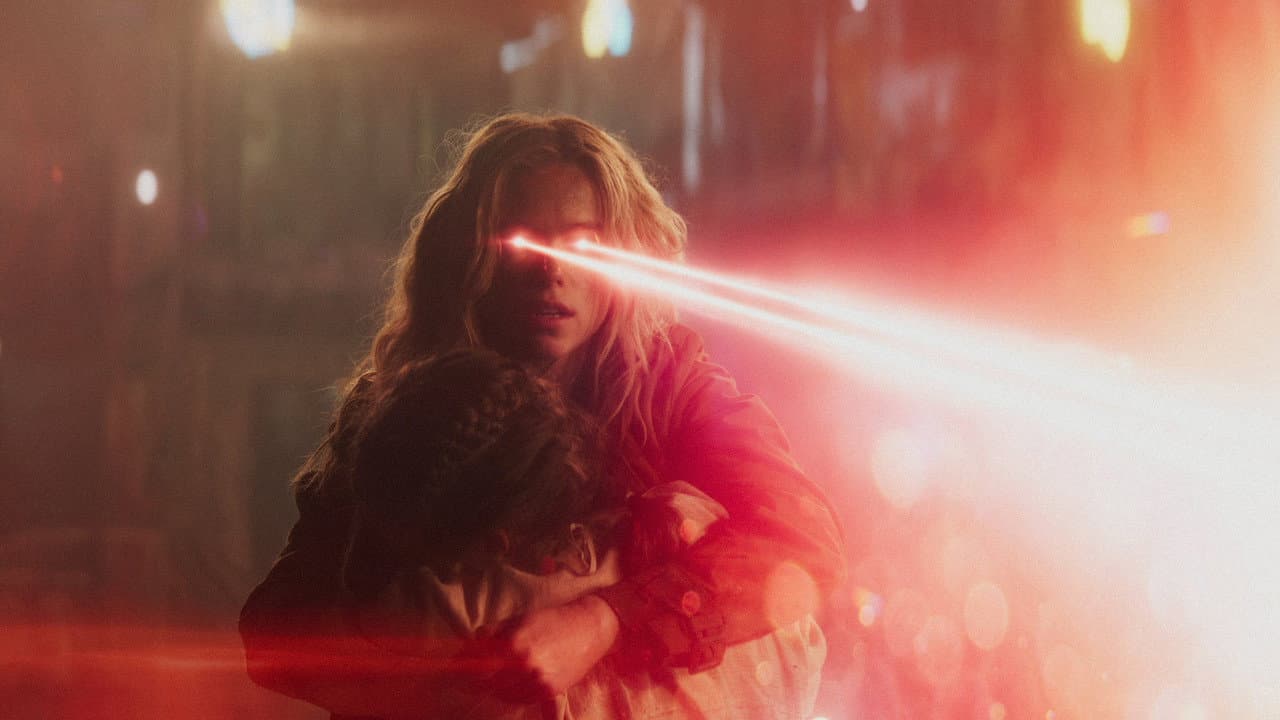
Craig Gillespie, best known for I, Tonya and Cruella, brings a kinetic, almost punk-rock energy to the action. The fight choreography is scrappy and grounded, with Kara relying as much on improvised weapons and clever environmental tricks as on heat vision. The spaceport brawl, where she tangles with a group of mercenaries while Ruthye picks locks in the background, is a standout - raw, inventive, and funny. But the director’s real trick is knowing when to pull back; the quieter moments, like a conversation between Kara and her holographic mother Alura (Emily Beecham, luminous and tragic), land harder than any explosion.
Jason Momoa’s Lobo is a chaotic jolt of adrenaline - part biker, part clown, part menace. He’s clearly having the time of his life, and his scenes with Alcock crackle with a weird, combative chemistry. But Matthias Schoenaerts’ Krem is the film’s weak link. He’s menacing enough in theory, but the character lacks the dimensionality to match Kara’s arc. He’s a plot device with a bad haircut, and the final confrontation feels less cathartic than obligatory.
Visually, the film is a treat. Production designer Zosia Mackenzie has crafted a galaxy that feels lived-in and grimy - think Guardians of the Galaxy if it had been filtered through a Blade Runner lens. The score, a thrumming synth-and-orchestral hybrid by Michael Giacchino, echoes the film’s tonal split: mournful one moment, propulsive the next.
Still, Supergirl stumbles in its middle act. The pacing lags as the duo bounces from one alien planet to another, and a subplot involving Zor-El (David Krumholtz, doing his best with limited screen time) feels like setup for a sequel we might not get. The film also struggles to balance its R-rated aspirations (the violence is surprisingly graphic for a DC property) with its YA-adjacent emotional beats. It’s not quite sure who it’s for - and that ambiguity, while daring, occasionally frustrates.